Learn How to Prepare L1 Visa Petition
Fundamental L1 Visa Petition Checklist: Your Thorough Guide to a Successful Application
Navigating the complexities of the L1 Visa petition process can be intimidating. A detailed checklist is essential for guaranteeing all requirements are met and documentation is in order. Understanding the exact categories, eligibility criteria, and required forms is crucial for a successful application. However, many applicants miss key details that could compromise their chances of approval. What are the critical steps and common pitfalls one should be aware of?
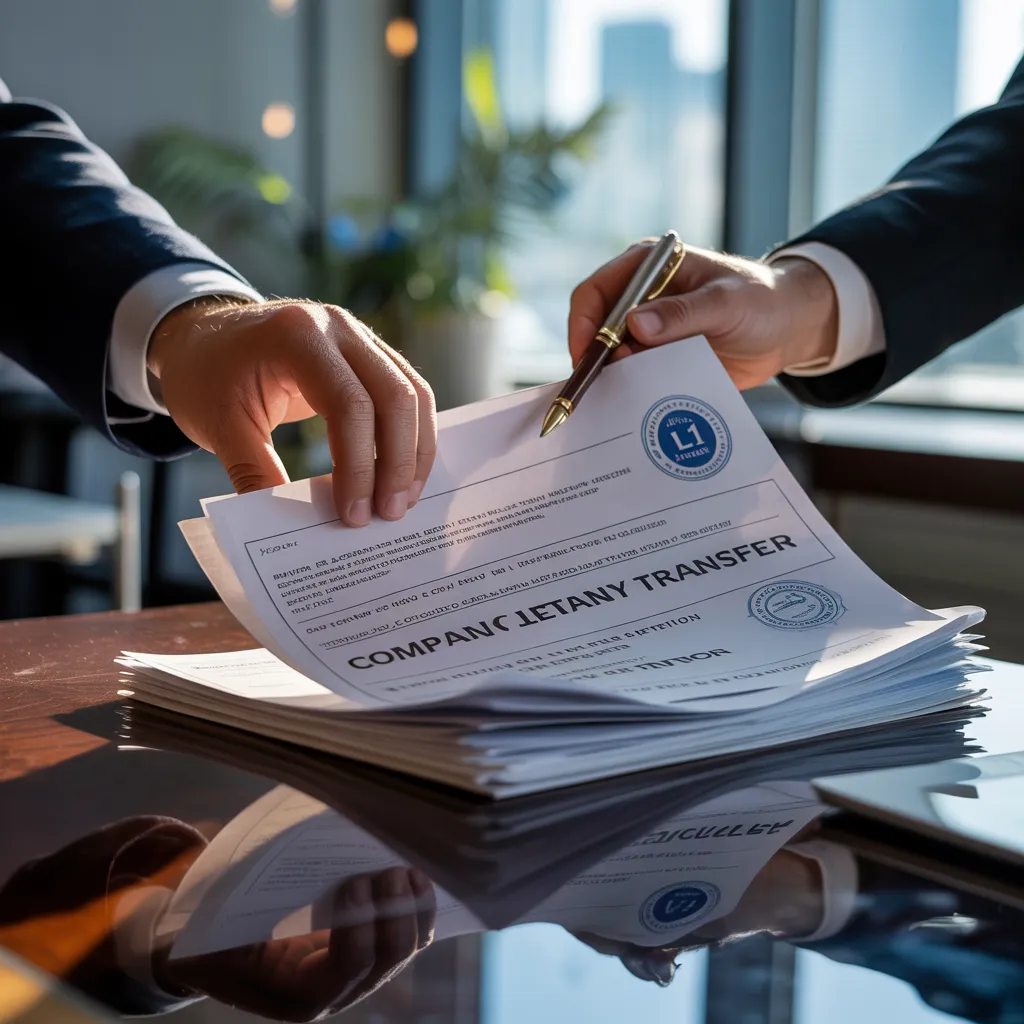
Understanding the L1 Visa Types
The L1 visa serves as a vital pathway for multinational companies to relocate staff members within their organizations. This visa is categorized into two primary categories: L-1A and L-1B. The L-1A visa is intended for managers and executives, granting them permission to work in the United States for a period of up to seven years. This category is ideal for individuals who possess major responsibilities and manage significant operations within the company. Alternatively, the L-1B visa is designed for employees with specialized knowledge essential to the organization's operations. This visa provides for a stay of up to five years, concentrating on those whose expertise is crucial to the company's success. Both categories promote the movement of talent across borders, enabling companies to maintain operational efficiency and competitive advantage in the global marketplace. Comprehending these differences is vital for companies seeking to employ the L1 visa for employee transfers.
Eligibility Criteria for L1 Visa
To meet the requirements for an L1 visa, applicants must meet specific eligibility requirements that demonstrate their suitability for the role within the multinational organization. The applicant must have served with the sponsoring employer or its affiliate for at least one continuous year within the last three years. This experience should be in a executive, managerial, or specialized knowledge capacity. In addition, the applicant must be seeking to enter the United States to continue that employment with the same employer or a qualifying subsidiary. The employer must be a valid business entity and must have a qualifying relationship with the foreign entity where the applicant was stationed. Moreover, the applicant must possess the necessary qualifications for the intended position in the US, ensuring that they can fulfill the requirements of their role effectively. Fulfilling these criteria is essential for a successful L1 visa.
Essential Documentation for L1 Visa
The necessary documents for an L1 visa petition are essential for a smooth application procedure. Key documents include the employer support letter and employment verification, which verify the relationship between the worker and the sponsoring employer. These records deliver critical verification supporting the petitioner's eligibility and the genuineness of the employment offer.
Employment Reference Letter
An employer support letter acts as a vital part of the L1 visa petition, offering important data about the company and the employee's role. This document should clarify the relationship between the U.S. employer and the foreign entity, specifying relevant article the nature of the business operations and the employee's qualifications. It must indicate the job title, duties, and the necessity of the employee's skills for the organization's success. Also, the letter should describe the employee's prior experience with the company and how it fits the proposed role in the U.S. A well-crafted support letter can significantly enhance the application by demonstrating the legitimacy of the transfer and the employee's importance to the company's operations.
Proof of Work History
Proof of employment is a fundamental requirement for the L1 visa petition, working to validate the employee's current and past positions within the company. This documentation usually consists of official letters from the employer, pay stubs, and tax documents that establish the individual's employment history. The letters should outline the employee's job title, dates of employment, and duties carried out, emphasizing the skills and experience pertinent to the position in the U.S. Furthermore, a detailed organizational chart may be needed to demonstrate the employee's position within the global structure. It is essential that all provided documents are current and precise, as errors can cause delays or denials in the visa process.
Finalizing the Form I-129
Completing Form I-129 is a crucial step in the L1 visa petition process, demanding meticulous attention to detail. This form functions as the primary application for L1 status, and its accuracy is essential to prevent delays or denials. Applicants must guarantee that all sections are completed accurately, including the employer's information, the beneficiary's details, and the specific L1 classification being requested.
Every item on the form should be carefully reviewed to guarantee consistency with supporting documents. In addition, any required fees must be provided as instructed. It is vital to use the most current version of the form, as USCIS frequently revises its requirements.
Finally, all additional details requested in the form, like past immigration history or past petitions, should be precisely disclosed. A detailed review can avoid costly mistakes, guaranteeing a smoother application process for the L1 visa.
Compiling Confirmatory Materials
Preparing supporting evidence is a crucial step in the L1 visa petition process. This phase requires knowledge about the required documentation and the evidence required to demonstrate eligibility. Appropriately compiled materials can significantly impact the outcome of the petition.
Documentation Requirements Overview
An orderly process for compiling essential documentation is critical for a successful L1 Visa petition. Applicants must prepare a thorough set of materials that validate their case. This includes business records such as financial records, organizational charts, and a detailed description of the business operations. Furthermore, personal documentation for the applicant is essential, including resumes, proof of prior employment, and educational credentials. All documents should be current and relevant, clearly demonstrating the applicant's role and qualifications. It is also beneficial to include any supporting evidence that can enhance the petition. By carefully assembling these documents, applicants can enhance their chances of a beneficial outcome in the L1 Visa process.
Documentation of Eligibility
Assembling the essential documentation paves the way for demonstrating eligibility for the L1 Visa. To establish eligibility, applicants must submit evidence of their employment history, including job titles, responsibilities, and duration of employment with the sponsoring company. Comprehensive organizational charts can illustrate the relationship between the U.S. entity and the foreign company. Additionally, financial documents such as tax returns and profit-and-loss statements can showcase the company's operational status. It is essential to include a thorough job description for the proposed role, highlighting the specialized knowledge or managerial capacity required. Supporting letters from both the U.S. and foreign employers confirming the applicant's qualifications and the necessity of their role help reinforce the petition. This meticulous preparation is crucial to a successful application.
Key Mistakes to Avoid
Managing the L1 visa petition process can be daunting, and avoiding common pitfalls is crucial for a successful application. One typical mistake is the submission of incomplete documentation. Applicants often overlook critical evidence, such as proof of the qualifying relationship between the U.S. and foreign entities. Another common error involves poor job descriptions; vague descriptions fail to establish the managerial or executive capacity needed for the L1 visa.
Moreover, applicants sometimes miscalculate the period of employment mandated, omitting to prove that the worker has served with the foreign entity for at least one continuous year. Moreover, neglecting to submit clear financial documentation can diminish the petition. In conclusion, applicants should avoid incorrect filing fees or forms, as these can bring about denials or delays. By being aware of these challenges, applicants can strengthen their prospects for acceptance and simplify their application process.
Guidelines for a Streamlined Application Process
To ensure a smooth application process for an L1 visa, it is crucial for applicants to carefully organize their documentation well in advance. This includes assembling required forms, proof of employment, and supporting letters from both the U.S. and foreign employers. Guaranteeing that all documents are thorough and precise can eliminate unnecessary delays.
In addition, applicants should familiarize themselves with the exact specifications of their visa category. Seeking advice from an immigration attorney can provide useful information and support throughout the procedure. Punctual submittal of the application is vital, as processing times can vary considerably.
Additionally, upholding clear contact with all stakeholders involved, such as employers and legal advisors, is crucial for addressing any potential issues promptly. Ultimately, applicants should be equipped for potential interviews by examining their case and practicing responses to common questions. By implementing these guidelines, applicants can boost their likelihood of a successful L1 visa.
Questions & Answers
What Is the Timeline for the L1 Visa Process?
The L1 visa process typically takes anywhere from one to three months, depending on multiple factors including the applicant's unique situation, the complexity level of the case, and the handling times of the USCIS.
Can My Dependents Travel With Me on an L1 Visa?
The family of an L1 visa holder is permitted to accompany them. Spouses and unmarried children under 21 are eligible for L2 visas, enabling them to live and attend school in the United States while the holder is employed.
What Are the Differences Between L1A and L1B Visas?
The L1A visa targets managers and executives, while the L1B visa serves employees who have specialized knowledge. Both allow intra-company transfers, however they serve distinct job positions and qualification requirements.
Is It Possible to Apply for a Visa While on an L1 Visa?
L1 visa holders can pursue visas. This typically requires sponsorship from an employer and meeting designated eligibility conditions, providing a route to permanent residency while retaining L1 status.
What Happens When My L1 Visa Gets Rejected?
If an L1 visa is denied, the applicant gets a notification specifying the reasons. They may file an appeal, resubmit with improved documentation, or consider alternative visa options in accordance with their specific conditions and background.